
Quick Overview of the Free Program for everyone
- 17 effective strategies – the world’s first proven-to-work online parenting program.
- You choose what works for you – adapt to suit your family, your values.
- Be confident about handling each new age, stage and situation (and support your child now and in the years to come).
- Do it on your phone, computer, or tablet.
- Videos and fun interactive learning.
- Earn badges, track your progress and print your certificate.
- Understand what’s within your control to change and influence for your child’s benefit.
- Create the best environment for your child’s development.
- Know how to address child behaviours.
- Promote new skills and help emotional self-regulation.
- Improve your relationship with your children.
- Enjoy family life more!
- Scientifically proven strategies.
- Trusted, government-funded program.
- Register now, start in 5 minutes.
- See your progress over time.
You have to choose 3 problems you want to deal with before proceeding and I couldn’t find the one I would like to tackle so just picked random ones to proceed. After 8 multiple choice questions about the child and yourself you can continue to the 8 modules. They give you tons of checklists and resources depending on what you want to tackle.
5 Key Aspects of Positive Parenting
1 – A Safe Interesting Environment
In a safe environment you can be more relaxed as you won’t need to worry about hazards or say things like ‘don’t touch that’ etc. Plenty of interesting things to do fires up children’s curiosity, improves their language, ability to think and keeps them busy. (Safety check exercise to be completed).
2 – A Positive Learning Environment
Be available when they approach you, praise what you like them doing. They will feel secure.
3 – Assertive Discipline
Be assertive but not harsh. React quick but calm. Parents should be prepared for things to get a little worse before they get better. Stay emotionally regulated yourself and they’ll pick that up for you too.
4 – Realistic Expectation
What looks like misbehaviour is often immaturity or inability, not defiance, so ask whether your child is actually capable of what you’re expecting at their age. Adjust expectations, offer help where needed and remember that “good enough” parenting is realistic. Most pre-schoolers can keep themselves busy for 10-30 minutes but if it’s a long or many calls make sure to give them attention and find other activities to keep them interested. Most children can get ready themselves by the age of 4 while half can do this by 3.5 years. You can slowly reduce the help you give them.
5 – Taking Care of Yourself
Taking care of yourself is essential for effective parenting. When needs are unmet it’s much harder to stay patient, consistent and emotionally available with your child. Make space for small, regular breaks, be realistic about what you can handle and don’t let parenting consume your entire identity. Share the load with other carers and work as a team.
Common Parent Traps
– Accidental Rewards: Children getting what they want by misbehaving. It’s more likely to happen again. If you give bad behaviour attention they’ll get more of it.
– Escalation Trap: Letting the child have it because they’re crying more or getting louder. Parents also fall into the same trap of raising their voice louder and louder.
– Watching others: They pick up on your words and behaviour. Also what they pick up in school and TV.
– Too many, poorly timed or vague instructions: Don’t give too many and not in the middle of what they’re in the zone with something else. Make sure they don’t sound like a question or prepare to hear a no.
Don’t ignore good behaviour.
Encouraging Behaviour You Like
Focus less on correcting bad behaviour and more on noticing and reinforcing good behaviour. Give attention to positive behaviour, it will happens more often. Deliberately catch and acknowledge what children are doing right. (Paras note: I talk about this in the leadership and relationship blog posts too as it works for adults, coworkers and partners.)
Spend Quality Time Together
Spend brief but frequent moments of quality attention with your child, doing something they enjoy and being fully present, even if it’s just for a minute or two. Small, regular check-ins build security, strengthen your relationship and naturally encourage better behaviour more than occasional long sessions. Pausing distractions when possible, if you can’t, coming back later so your child learns they will reliably get your attention without needing to misbehave to attract it.
Talk With Your Child
Talk with your child often about everyday things, especially what interests them and show you’re genuinely listening. These build language, social skills, confidence, trust and teach children how to communicate and listen in relationships. When children feel heard and valued, they’re more likely to open up later about things that really matter, strengthening your connection and reducing the need for attention-seeking behaviour.
Show Affection
Showing affection regularly helps children feel safe, cared for and emotionally secure. Simple physical closeness like hugs, cuddles, holding hands and saying “I love you” builds a strong parent‑child bond and teaches children that giving and receiving affection is normal and healthy. It supports their confidence now and their ability to form healthy relationships later. (Paras note: From some of these subjects I’m starting to think this course is for … um … people who should be parents? Like honestly, even incompetent humans would get this. Wouldn’t they?)
Praise
Instead of vague praise, point out the exact action or effort you liked, and be enthusiastic and sincere. This works because attention reinforces behaviour. They might act up as they don’t know how to act so help them understand receiving praise.
Pay Attention
Smile, wink, thumbs up. Help encourage good behaviour by letting them know in some way. Know what type of attention and affection they are more receptive too. Public displays of affection can be embarrassing. They will also need to learn not to get attention or demand it all the time. Sometimes they don’t know what is ‘expected’ as they grow.
Have Interesting Activities
Gives parents opportunities to praise and pay attention while the kids learn skills and spend time.
– Independent play: Where they amuse themselves or play cooperatively with other children without lots of adult input.
– Together games: Involving adults, teaching new skills, special family time.
Make a Plan
Pick one or two specific behaviours to focus on, notice how often they occur and also track your own responses like praise. Keeping a brief record helps you see progress, stay motivated and realize what’s already working.
Resources Provided
– Example Keeping Track Charts
– Keeping Track Chart
– Example Behaviour Graph
– Behaviour Graph
Skills for Children to Learn
Focus on deliberately teaching life skills rather than assuming children will “just know.” Help them build communication, emotional regulation, independence and problem‑solving through guidance and practice, while staying realistic about what’s appropriate for their age. Avoid doing everything for them because it’s faster but also avoid expecting too much too soon. Learning happens when children are shown how, given time and allowed to try on their own, even when it’s slower or messier. Key areas are:
– Communicate and get along with others.
– Manage feelings.
– Be independent.
– Solve problems.
Set a Good Example:
Modelling the behaviour you want your child to learn. They absorb far more from what they see than what they’re told. Let them watch how you do things, give them a chance to try, encourage their efforts and gradually step back as they gain confidence. Your actions quietly teach skills, habits, and values every day.
Incidental Teaching:
Use everyday moments when your child asks for help or attention as natural teaching opportunities instead of stepping in and doing things for them. Pause, tune in and guide them with hints or questions so they can think, try and solve problems themselves, then acknowledge what they’ve worked out. You can use the following steps for scenarios like – Promoting language, increasing general knowledge, promoting independent play, learning to problem solve and learning new skills.
– Pay attention.
– Check you understand.
– Ask them to elaborate.
– If necessary, give a prompt.
– If necessary, give the answer and ask them to repeat it.
– Give positive feedback.
Ask-Say-Do
To teach new skills in a way that builds independence rather than frustration. First ask your child what to do, then explain the step if they don’t know, and finally help only if they can’t do it themselves. Breaking tasks into small steps lets you check what they actually understand, keeps expectations realistic, and allows support to fade as confidence grows. Praising each step reinforces learning and helps children feel capable instead of dependent and then you can reduce praise as they get better.
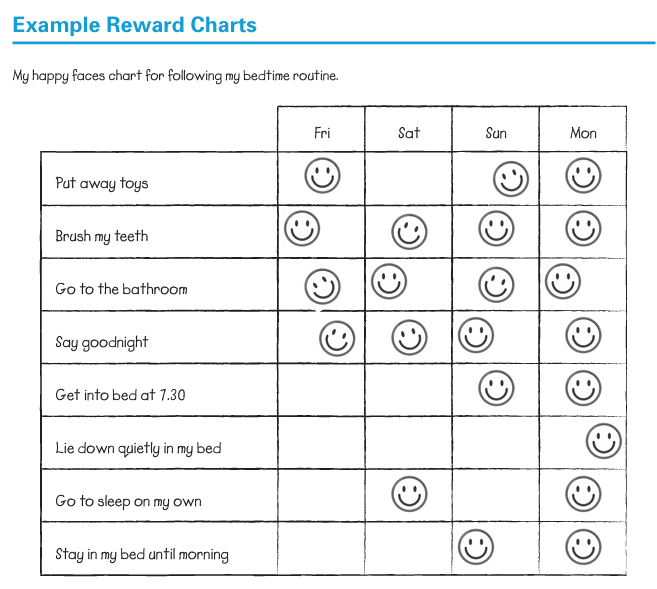
Reward (Behaviour) Chart
Use reward charts to deliberately shift your attention toward the behaviour you want to see more of. Clearly define the behaviour in positive terms, make goals easy at first and give immediate praise when a child earns a star so the connection is obvious. As behaviour improves, gradually raise expectations and phase the chart out. Example: Praise after each star and reward after number of star.
Managing Misbehaviour
Children learn self‑control best when parents respond to misbehaviour immediately, consistently, and calmly. The goal isn’t to eliminate frustration or difficult moments, but to help children learn to accept limits and manage disappointment over time.
Ground Rules
Set clear and simple ground rules so children know exactly what’s expected of them. Don’t assume they understand the rules unless you state them clearly, keep them few in number, age‑appropriate, fair and involve children in creating them so they’re more likely to follow them. Phrase rules positively by telling children what to do rather than what not to do, because clear, predictable limits help children feel secure and learn self‑control more effectively. Example: Don’t hit can be replaced with gentle hands or keep your hands to yourself.
Directed Discussion
When a child breaks a rule – Get child’s attention, state the problem, say why it’s a problem and then get them to do it correctly if needed.
Planned Ignoring
Ignore minor problems and stay strong as it gets worse while they try to get your reaction. Of course don’t ignore it if it becomes a more serious problem.
Calm, Clear Instructions
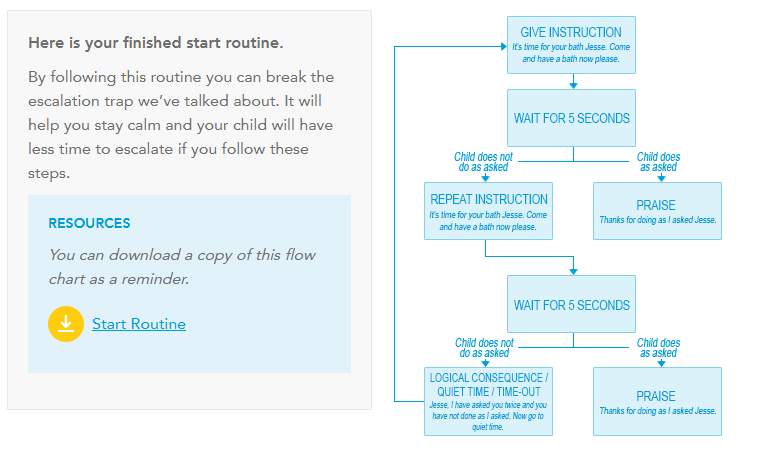
Give instructions calmly, clearly, and at the right moment so children are more likely to cooperate. Get close, use their name, say exactly what you want them to do, then pause and give them a few seconds to respond. Commit to be a no-yelling household. (Paras note: Also look up Parenting with Love and Logic.)
Consequences
Use clear, immediate, and logical consequences to back up instructions when a child doesn’t cooperate. Act as soon as the behaviour happens, calmly remove the activity causing the problem, explain why and for how long and keep consequences short and predictable at first. Follow through exactly as stated, then give the child a chance to try again and do the right thing, because consequences teach best when they are consistent, fair, and directly connected to the behaviour – not delayed, emotional, or excessive.
Quiet Time
Use quiet time as a calm, brief consequence when logical consequences aren’t possible. After giving a clear instruction, act immediately and matter‑of‑factly if your child doesn’t cooperate, moving them away from the activity for a short period with no discussion or attention. 2 minutes for pre-schoolers, 5 minutes for older and ignore any attention seeking.
Time-out
Back up to quiet time. It breaks the circuit, take them to another room or space for 2-5 minutes. Do it without any attention or emotion so they can calm themselves and regain control. Explain in advance so it’s immediate and predictable. Ask them to gather themselves and praise once done to reinforce. You decide when timeout is over and keep bringing them back if they come out of the area. Even if you feel bad, focus on remaining calm. The set time doesn’t start until they keep quiet. Don’t answer if they call out. If they run, make sure you’re close and don’t chase them as it’s not a game. The aim is for them to learn to follow instruction. If they tend to make a mess, find a place they can do minimal damage and let them know they can only come out after everything is cleared up. Breaking things will have consequences like pocket money or extra chores.
Putting a Plan Together
Dealing with Disobedience
Why don’t children do as they’re told?
Not because they’re malicious or trying to disrespect you. Disobedience often comes from a desire for independence, unclear or unrealistic expectations, tiredness or hunger or because disobedience has accidentally worked for them before.
Preventing Problems
Make the home child safe so they don’t touch dangerous things and you don’t have to keeps saying ‘don’t do, don’t touch’. When going out, take activities. Praise, smile, reaffirm the good and be specific about the good thing they did.
Clear, Calm Instructions
Give necessary instructions that you’re prepared to backup. Get close, get their attention, give exact instructions. Repeat instruction one but if it’s a stop instruction, don’t repeat. Deal with it right away. Examples: It’s time for dinner, come and help me set the table please. Stop climbing the couch, it’s dangerous, hop down right now.
Consequences for Disobedience
Start with a logical consequence that fits the behaviour, apply it immediately, explain it briefly, and give the child another chance to get it right. Consistent follow‑through works because it teaches cooperation and responsibility, not through punishment, but through predictable cause and effect. Use consequences that are directly connected to the misbehaviour, so children clearly understand cause and effect. Consequences should give an incentive for good behaviour e.g. TV after homework is done. Avoid consequences that can affect their self-esteem like calling them out in public. Consequences should be immediate.
Quiet Time and Time-Out
Same as above.
Preventing Problems by Planning Ahead
Planning for High-risk Times
Plan ahead for high‑risk times when misbehaviour is more likely such as public outings, waiting, transitions or when you’re busy or under pressure. Anticipate problems by clearly stating expectations in advance, preparing engaging activities to prevent boredom and deciding beforehand how you’ll encourage good behaviour and respond to problems. Children struggle most when tired, bored, or ignored and planning reduces stress for you while making behaviour more predictable and manageable.
Prepare in Advance
Actively teach them how to behave. Pack lunch and bags the night before. Prepare yourself also with breathing techniques or steps you can take.
Decide on Rules
Don’t assume that children know what to do. Clear expectations and before the situation ask them if they remember the rules and tell you.
Choose Interesting Activities
Make a list of activities. Use natural opportunities for fun incidental teaching Talk to your child and ask them questions, count things you see and play games like ‘I spy’.
Use Rewards for Good Behaviour
Rewards can be a treat or activity soon after the high-risk situation. Explain the rules and the back-up reward. Ask if your child has any other ideas for rules or rewards. Praise them often for behaving well in the high-risk situation, and make sure they get the reward if they follow the rules.
Use Consequences for Misbehaviour
Plan them in advance, discuss them and make sure they’re understood. Quiet time can be in the front seat of the car while you’re focused on driving.
Have a Follow-up Discussion
Talk about it, mention what they might have forgotten or to focus on a goal for next time. Start when you’re ready to commit and follow through consistently, not during an already stressful period. Prepare in advance by making the bedroom comfortable and establishing a clear, predictable bedtime routine that happens the same way every night. A consistent sequence – bath, pajamas, teeth, story, bed. Avoid shortcuts like letting them fall asleep on the couch or in your bed.
Making Shopping Fun
Why do Children Misbehave?
Bad timing like when they’re hungry. Ask if they know what they need to do. Don’t ignore good behaviour. Accidental rewards can be getting them something so they keep quiet, doing half the shopping to get them home and giving them attention or repeating instructions.
Plan Ahead
Good timing, set rules, do it when you’re not tired. Rules can be no touching, inside voice, stay close, etc. Explain consequences and rewards.
Encourage Good Behaviour
Focus on good, say it when it happens.
Deal with Difficult Behaviour
Deal with it then and there, what to stop and what to do instead. Thank them if the behave or back up with a consequence. Keep them involved and having fun. Take them to the side for quiet time and don’t worry about what others think.
Review How it Went
Reward if good, praise successes, set a goal for next time.
If Problems Persist
Give them to lost and found and go home. (Just joking.) Use stamps or stickers as rewards and tell them they can go to the park for play when they get 5. Once it’s not a persistent problem, phase out the stickers.
Raising Confident, Capable Kids
Showing Respect
Usual stuff. Praise good stuff, repeat in a calm way, get close and say their name to get their attention.
Being Considerate
Sharing, thinking of others feelings, asking others if they want to go, helping in the house. Notice the nice things others are doing and modelling behaviour.
Good Social Skills
Show interest in their friends and family. Have play friends over. If they don’t get along, remove the activity or separate the children and remind them of house rules before starting again.
Healthy Self-confidence
They’re likely to be happy, cooperative, successful and make friends easily. Children feel good about themselves when they know they’re loved, getting affection and attention, and when they’re praised for their efforts and achievements. Their world to be predictable with regular routines, clear limits and appropriate discipline. Regular activities that keep them fit and healthy, such as running, jumping, skipping, and playing sports and active games. Listen to your child, ask questions, and show you value their opinions and ideas. Opportunities to make decisions, guide them with appropriate limits.
Being a Problem Solver
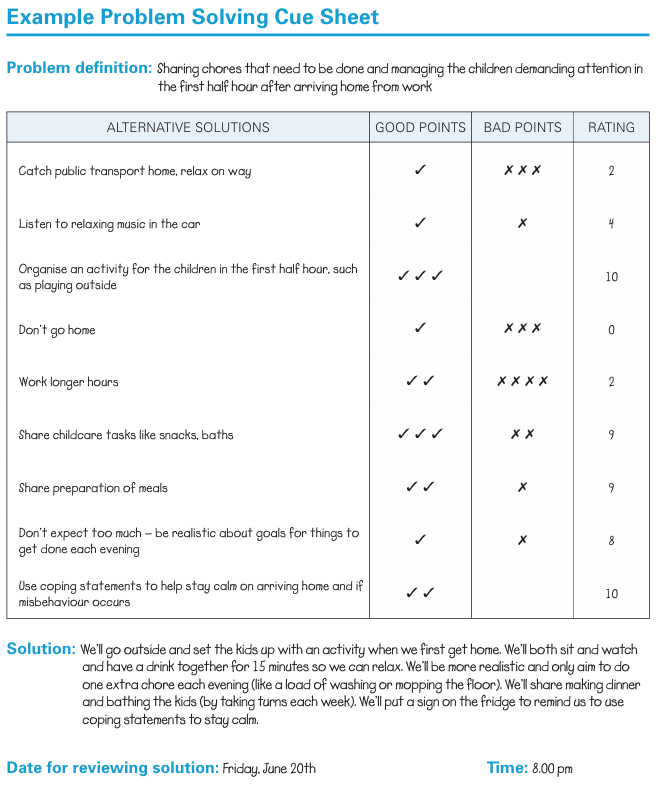
Talk about how you can break a problem down into smaller parts that can be worked out. Teach steps on solving, what is the problem, guide them and ask what some solutions are. Talk about good and bad points about the solutions.
Becoming Independent
Teach them skills and help them remember what to do. Avoid the trap to do it for them, having patience will benefit in the long run. Use charts or photographs. Start with rewards and reduce them as they get better.
Modules
1 What is positive parenting?
2 Encouraging behaviour you like
3 Teaching new skills
4 Managing misbehaviour
5 Dealing with disobedience
6 Preventing problems by planning ahead
7 Making shopping fun
8 Raising confident, capable kids
Hey folks, it’s Paras!
If you have a request to see a tech product, summary on personal development or want a custom design for clothing and merch … Please do let me know through the links below.

Join me or support my work
💌 Monthly email summary
▶️ YouTube | TikTok | Instagram
👍 Facebook | X | Blog
🎤 Podcasts: My Stories | Self Growth
Other links:
💰Get $25 of FREE Bitcoin
☕ Buy me a Coffee
🛒 My Amazon
👕 My Merch